
A dining table can look right in a photograph and still feel awkward once it is in your home. Perhaps the chairs block a doorway, the surface needs more care than expected or the base leaves little room for knees. Choosing well means considering the whole dining area, including movement, seating and everyday use. Whether you are furnishing a flat in Nairobi or replacing a family table elsewhere in Kenya, start with the room and the people who will use it. This guide explains how to compare shapes, materials and construction, inspect a new or used table and plan delivery before committing to a purchase.
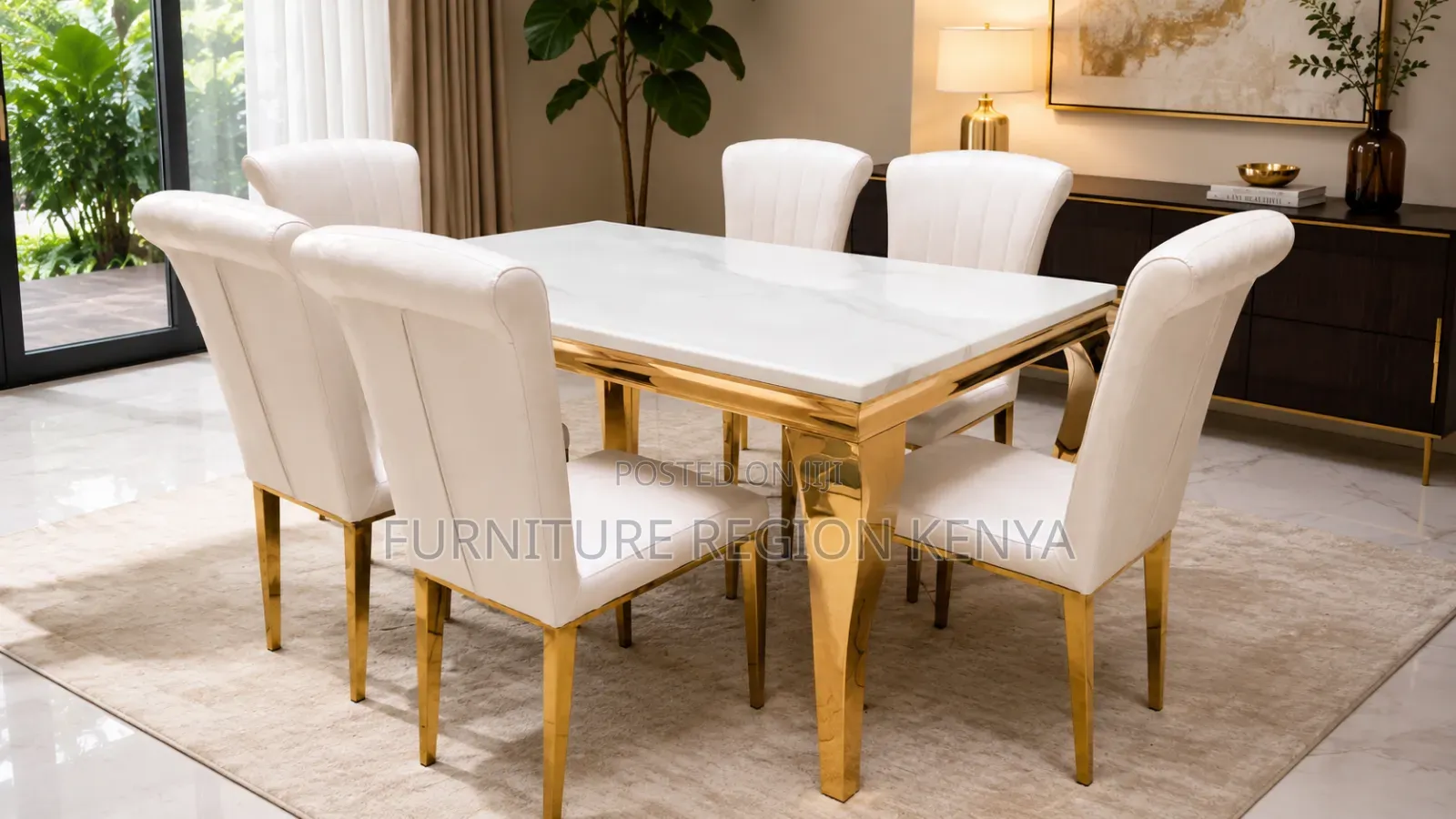
Start with the way your household uses the table
Think about an ordinary day rather than the largest gathering you might host. How many people usually eat together? Does someone work at the table, complete homework there or use it for projects? A surface used throughout the day needs to be comfortable, straightforward to clean and easy to clear for meals. If guests visit occasionally, extra capacity may be useful, but it should not make the room difficult to use during the rest of the week.
Consider the furniture you already own. A table bought separately must work with your chairs, both visually and physically. A complete set may simplify the search, yet it still needs to suit your room and the people using it. Note the features that matter most: perhaps a compact footprint, space for serving dishes or a finish that tolerates everyday spills. Keep those priorities beside you when browsing.
Use listings to build a practical shortlist
Start with dimensions, seating and condition, then narrow the visual choices. Ask whether an advert is for the table alone or includes chairs, and whether its photographs show the actual item or a display example.
You can compare current dining furniture at https://jiji.co.ke/20-dining-tables to identify shapes and finishes worth inspecting. Listings include different materials and seating arrangements, so request the exact measurements and construction details from each seller. A description such as “six seater” or “marble top” is a starting point for questions, rather than a complete specification.
Measure the room with chairs in use
Measure the space where the table will stand, noting door swings, cabinets, windows and the route through the room. Mark a candidate table’s footprint with removable tape or paper. Then place a chair where someone would sit and pull it back as though standing up. Walk behind it and check whether another person can pass. This test reveals more than measuring an empty gap between walls.
Include furniture that needs access, such as a sideboard or refrigerator. A table may fit neatly until a cupboard door opens. If the dining area shares a room with a sofa or desk, preserve the paths used most often. Avoid choosing the largest tabletop the floor can hold. A slightly smaller table can make meals easier when people can sit down, serve food and leave their seats without rearranging the room.
Choose a shape that supports the layout
A rectangular table can work well in a long room, although the position of its legs may restrict seating near the corners. A round table can make conversation across the group convenient, but its diameter still needs careful checking in a small space. A square table may suit a compact dining area, while an oval shape offers another option when you want a longer surface with curved ends.
Look beneath the top before deciding. A pedestal may give chairs more freedom around the edge, yet the size and stability of the base matter. Corner legs can leave generous central space but interfere with an extra chair. Sit at the actual table where possible. Check knees, feet and the space needed for place settings; the shape alone does not establish comfort.
Understand the material behind the finish
Ask what the tabletop and frame are made from, including any covering or coating. Wood, veneer and boards with a decorative surface can look similar in photographs. Their suitability depends on construction, finish and care, rather than appearance alone. Request photographs of edges and the underside, and ask how the seller recommends dealing with spills or scratches. A clear explanation is more useful than an unsupported promise of durability.
For a stone or stone-effect surface, confirm the actual material and its care requirements. A marble pattern does not establish that the top is natural marble. For glass, ask about its specification, edge finish and how it is secured to the base. Inspect metal frames for sound joints and an intact finish. Choose a material whose maintenance fits your routine, especially if the table will also be a workspace.
Test the chairs and table together
Chair comfort affects how useful the table becomes. Sit down normally, pull the chair towards the table and check whether your legs fit beneath it. An apron or crossbar under the top can reduce usable clearance even when the advertised table height appears suitable. If chairs have arms, confirm they can tuck underneath. Test more than one seat, because the base may leave different amounts of space around the table.
For a set, inspect each chair individually. Look for loose joints, damaged upholstery and uneven legs. If keeping existing chairs, take their measurements and compare them with the actual table. A bench can provide flexible seating, but think about access and who will use it. Someone seated in the middle may find it harder to leave without disturbing others.
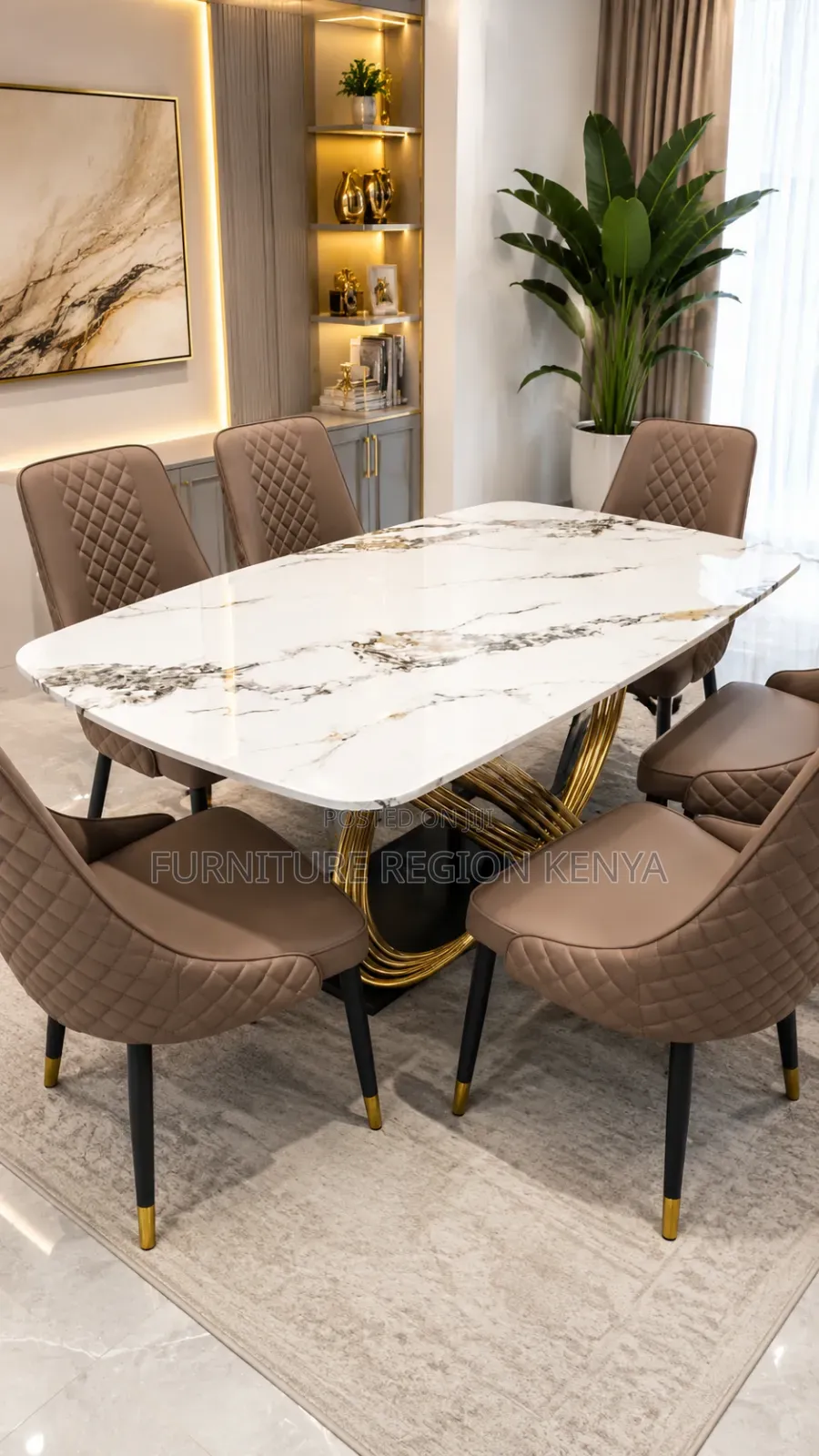
Check extension and folding mechanisms
An extending table can suit households that host occasionally, provided there is room to use it fully opened. Measure both configurations and decide where extra chairs will be stored. Ask the seller to demonstrate the mechanism. Check that leaves line up, supports engage correctly and the extended surface remains stable. Find out whether removable sections need separate storage and whether you can handle them comfortably.
Folding furniture can be useful where space serves several purposes. Check hinges, locks and the way the table stands when opened. A compact stored size should not distract from awkward daily setup. Consider whether you will genuinely fold it away or leave it open most of the time. Choose the arrangement that makes your routine easier.
Inspect condition and stability before payment
View the table on a level surface and check for rocking. Ask whether the cause is an uneven floor, missing foot or loose joint; have any unresolved problem assessed before purchase. Examine the top for chips, cracks, swelling, peeling or repairs. Minor marks may be acceptable on a used table, but assess damage in relation to its material. Check the underside and attachment points, not just the visible finish.
For a new table, confirm the finish, dimensions and assembly details of the item you will receive. For a used one, ask about repairs, exposure to moisture and whether dismantling affects the joints. Heavy tops should be securely supported. Do not stand on a table or allow children to use it as climbing furniture. Damaged glass or unstable construction needs attention before ordinary use.
Plan delivery and assembly
Measure doorways, stairs, lift openings and tight turns along the delivery route. Confirm whether the table arrives assembled or in sections, and whether the top and base can be separated safely. A piece that fits the dining area may still be difficult to bring inside. Give the delivery team accurate information about access, especially in a flat with stairs or limited parking.
Ask who handles assembly, which parts are included and how damage on arrival is addressed. Agree the full arrangement in writing, including the finish and any chairs promised. Inspect the delivered item before signing off where the agreed process allows. Keep a record of the sale and any warranty terms. Delivery and setup are part of the decision, alongside the table itself.
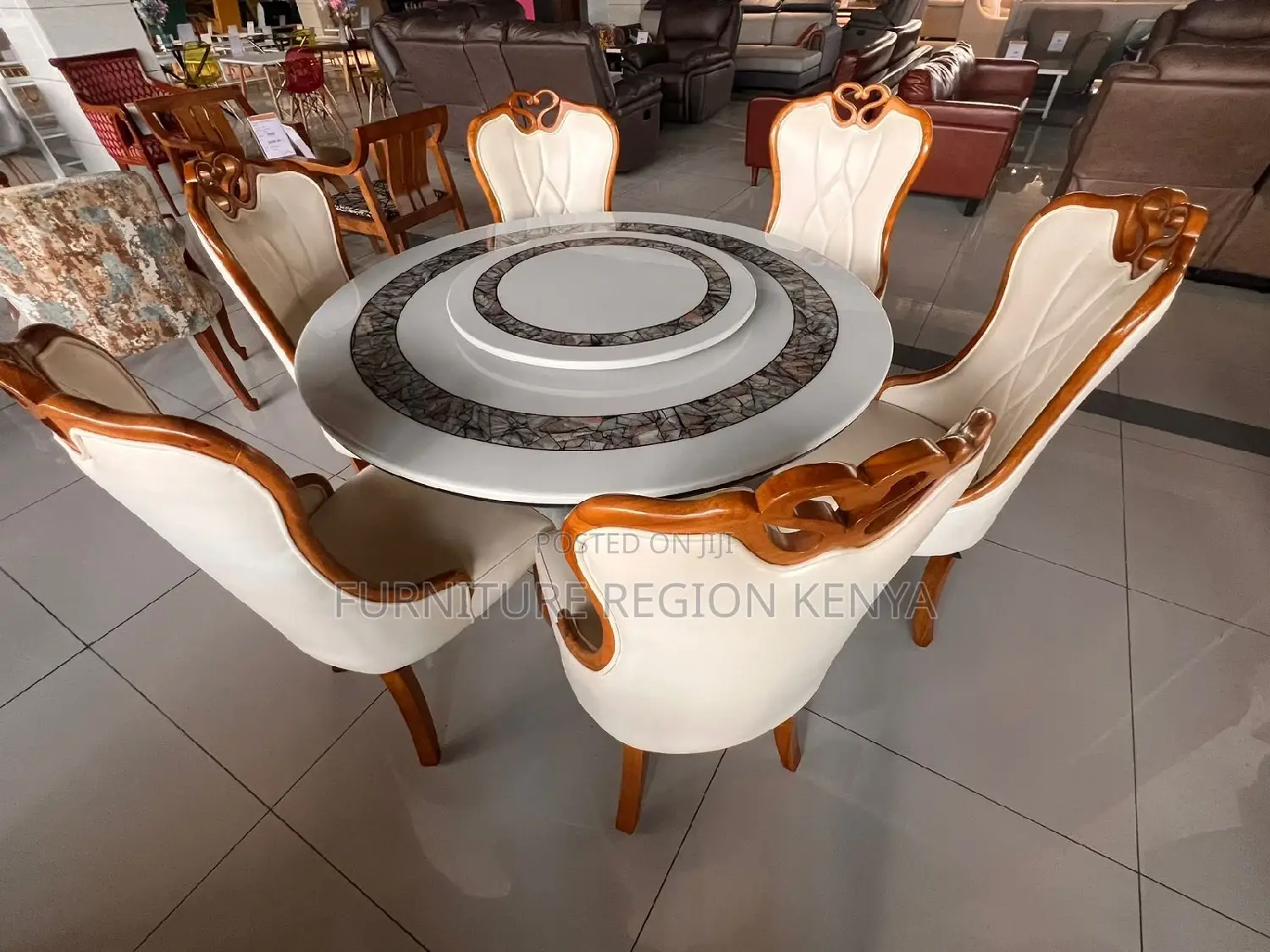
Keep everyday care manageable
Follow the care instructions for the exact surface. Use suitable protection beneath hot dishes and deal with spills promptly. Avoid choosing cleaning products solely because they work on another table; finishes can require different treatment. Check fixings when recommended, particularly after moving or assembling furniture. Lift or move the table in the way its maker advises, with enough help for its weight.
Keep the tabletop useful by giving work materials and other daily clutter somewhere to go. If you often switch between meals and work, a nearby storage basket or cupboard can reduce the effort of clearing it. The aim is a dining area that remains comfortable to use after the excitement of furnishing has passed.
The bottom line
Choose a dining table by checking the room, chairs and daily routine together. Confirm dimensions and materials, sit at the actual item and inspect its stability before paying. Plan access, delivery and care as part of the purchase. A table that leaves room to move and suits ordinary meals will remain useful longer than one chosen only for its appearance in an advert.